English
  Japanese
Reducing document creation time from 10 hours to 5 hours: A transformation of "0 to 1 tasks" using generative AI, implemented by professionals in the housing industry.
SUMUS Co., Ltd.

Issues before implementation
- The time burden of creating proposal materials and seminar document structures from scratch was significant, putting a strain on the individual team members' workloads.
- Customer management and information sharing relied on analog methods such as spreadsheets, leading to a problem of "personalization" where know-how was difficult to share.
- The entire organization needed a concrete vision of how AI would directly contribute to improving operational efficiency and delivering value to customers, and a common guideline to accelerate its implementation.
Effects after implementation
- By combining AI-driven "outline creation" and deep research-based "market analysis," administrative and research workloads were significantly reduced.
- By using NotebookLM to consolidate and systematize internal regulations and industry data, we have created a system that allows individual knowledge to be shared and utilized by the entire team.
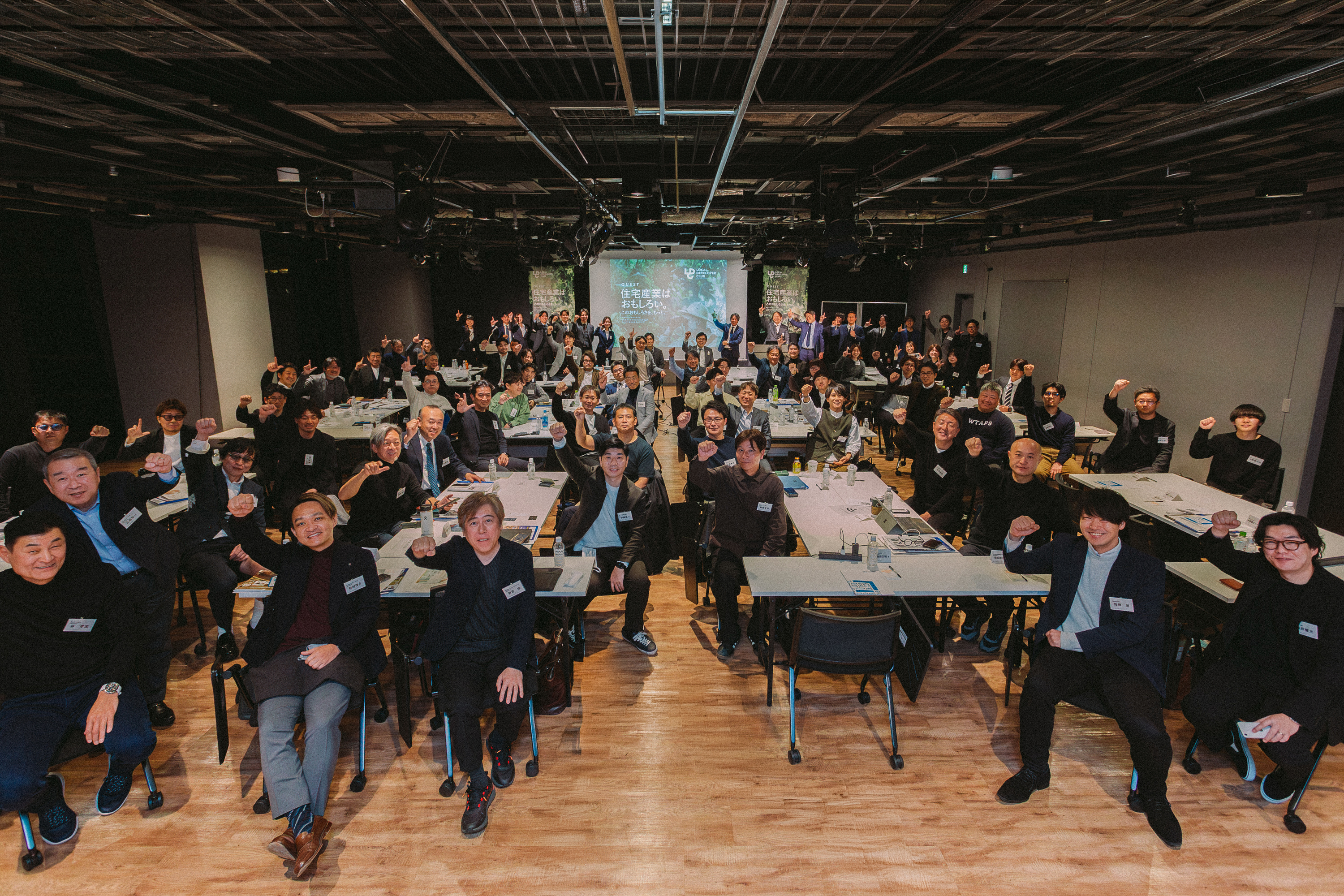
- After the training, a foundation was laid for all employees to use AI as a common language and engage in positive discussions. The organization transformed into one where everyone works together to promote its use.
table of contents
Company Introduction
SUMUS is a consulting firm specializing in solving management challenges in the housing and real estate industry. Our main clients are construction companies and housing companies nationwide, and we provide a wide range of services, from developing management strategies and organizational design to web marketing and sales promotion support.
Our greatest strength lies in our "end-to-end support system," which combines consulting functions with in-house creative production (websites, flyers, etc.) and advertising management services. We don't just offer strategies; we take responsibility for the practical results, such as customer acquisition and recruitment, as a partner, aiming to improve productivity across the entire industry and support sustainable community development rooted in local areas.
Issues before introducing generative AI
At SUMUS, which provides advanced consulting services specializing in the housing and real estate industry, our greatest asset is the "knowledge" possessed by our members. However, the tasks required to output that knowledge, particularly writing, document creation, and pre-sales research, were a significant burden.
Responding to emails, creating proposals, and preparing for seminars held 4-5 times a month—all of these tasks required either thinking for myself or researching on search engines. It wasn't uncommon for me to spend 10 hours completing a single document.
Furthermore, the company's internal systems were heavily reliant on analog methods, primarily spreadsheet management, and the resulting "personalization" of know-how, where expertise remained confined to individuals, was a serious concern. Within the organization of approximately 35 people, while the importance of AI was recognized, there was a lack of shared understanding of how to utilize it at a practical level, and the decisive factor for organizational implementation was missing.
Effects after generative AI introduction training
Most symbolically, it created a foundation where all employees could use AI as a common language and engage in positive discussions. The clarity of how AI could be used in practical work fostered a culture where employees across departments spontaneously proposed ideas for its application.
In practical terms, individual work efficiency has dramatically improved. Instead of struggling to create a blank slate, having AI first generate the "outline and script" of materials has made the subsequent detailing process incredibly smooth. Creating seminar materials, which used to take 10 hours, can now be completed in about 5 hours, and the time saved can be dedicated to making higher-quality proposals and developing strategies for customers. In addition, using "Deep Research" to research market conditions and unfamiliar business knowledge before business negotiations has improved the clarity of sales efforts.
Furthermore, the organization is accelerating its "knowledge sharing." By consolidating work rules and industry data in "NotebookLM" and creating an environment where everyone can instantly access information, the reliance on individual expertise due to analog management has been eliminated. The use of image generation has also progressed, and now some members are incorporating AI into 50% of their work, demonstrating significant evolution throughout the organization.
Future outlook
SUMUS's next goal is to share the AI expertise it has cultivated within the company with the entire housing industry, where IT penetration is still insufficient.
In the housing industry, improving productivity is a major theme compared to other industries. Moving forward, we will use AI to propose next-generation construction company management models to our clients, such as "increasing productivity per person" and "achieving high profits even with a small number of people."
Specifically, we aim to create an environment where sales members who previously had annual sales of 100 million yen can aim for 300 million yen through the use of AI, or where a small, elite group of people can all earn over 10 million yen annually—increasing the number of highly productive, cutting-edge organizations. We will continue to pursue systems that enable everyone working in the housing industry to work more prosperously, with AI as our partner.